Understanding Shoulder Arthritis: From Symptoms to Surgical Solutions Like Total Shoulder Replacement
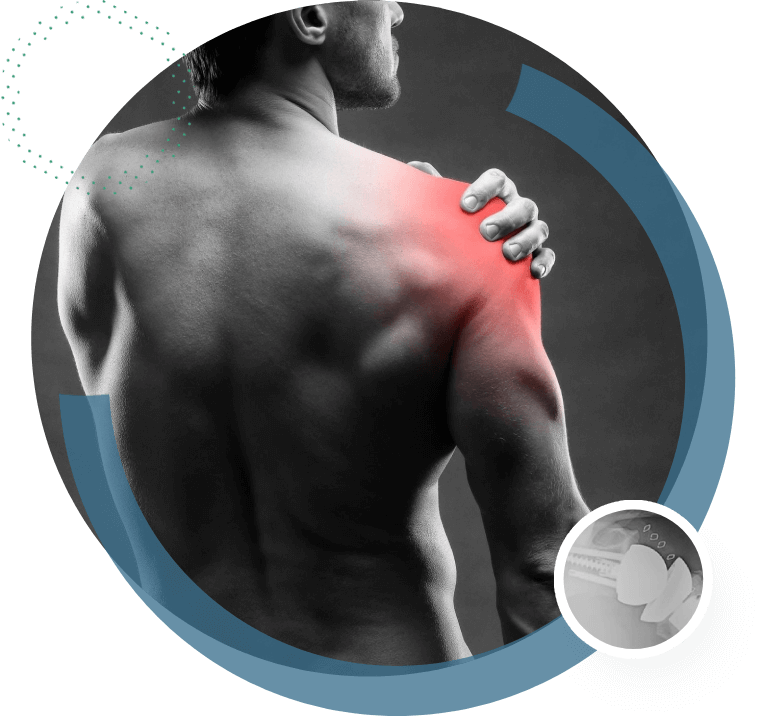
By Dr. Benjamin DuBois, MD – Board-Certified Orthopedic Shoulder Surgeon in San Diego
Meta Description: Explore shoulder arthritis symptoms and when total shoulder replacement is the right choice. Insights from a top-ranked San Diego surgeon on managing pain and restoring mobility through advanced treatments.
Shoulder arthritis is a common yet often underestimated condition that affects mobility and quality of life, particularly for San Diego residents who cherish an active lifestyle—from yoga in Del Mar to golfing in Rancho Bernardo. As a fellowship-trained shoulder specialist with over two decades of experience, I’ve helped countless patients navigate this degenerative disease. Recently named among Newsweek’s top 10 Leading Doctors in Shoulder Surgery for 2025, I focus on evidence-based solutions that prioritize your long-term health. In this comprehensive guide, we’ll cover shoulder arthritis symptoms, conservative management, and when surgical options like total shoulder replacement become essential for pain relief and function restoration.
What Is Shoulder Arthritis and Who Does It Affect?
Shoulder arthritis, primarily osteoarthritis, involves the breakdown of cartilage in the glenohumeral joint, leading to bone-on-bone friction. Rheumatoid arthritis or post-traumatic changes can also contribute. It’s most prevalent in individuals over 50, but trauma from sports like surfing or previous injuries can accelerate onset in younger patients.
In San Diego’s diverse population, from aging baby boomers to active professionals, the condition often stems from repetitive use or untreated rotator cuff issues. At my La Mesa practice, we diagnose via physical exams, X-rays, and ultrasound—tools I’ve mastered through national training programs—to confirm the extent of joint damage early.
Recognizing the Symptoms of Shoulder Arthritis
Early detection is key to preventing progression. Common symptoms include:
- Chronic Pain and Stiffness: A deep, aching pain in the shoulder that worsens with movement or weather changes. Morning stiffness lasting over 30 minutes is typical, making simple tasks like dressing challenging.
- Reduced Range of Motion: Difficulty lifting your arm overhead or behind your back, often accompanied by a grinding sensation (crepitus) as bones rub together.
- Swelling and Tenderness: Inflammation around the joint can cause visible swelling, especially after activity. Night pain may disrupt sleep, impacting daily energy.
- Weakness and Fatigue: As the joint deteriorates, supporting muscles weaken, leading to instability during activities like driving or carrying groceries.
These align with orthopedic guidelines, where pain interfering with daily life signals advanced arthritis. Patients often delay seeking care, but in my experience, addressing symptoms promptly preserves options.
Non-Surgical Management: Delaying or Avoiding Shoulder Replacement
For mild to moderate shoulder arthritis, conservative treatments can provide significant relief:
- Medications and Injections: NSAIDs for pain, or platelet-rich plasma/hyaluronic acid injections I administer ultrasound-guided for precision and minimal discomfort.
- Physical Therapy: Customized exercises to strengthen surrounding muscles and improve flexibility, often yielding 6-12 months of benefit.
- Lifestyle Modifications: Activity pacing, heat/cold therapy, and ergonomic adjustments for work or hobbies.
However, if symptoms persist despite 3-6 months of treatment, or if X-rays show severe joint space narrowing, surgery may be inevitable. Studies show non-surgical approaches succeed in only 20-30% of advanced cases.
When Total Shoulder Replacement Is the Best Surgical Solution
Total shoulder replacement (anatomic or reverse) is recommended for end-stage arthritis where pain severely limits activities like reaching cabinets or toileting. Ideal candidates include:
- Those with intact rotator cuffs (for anatomic replacement) experiencing bone-on-bone pain.
- Patients with rotator cuff arthropathy (for reverse replacement), common in older adults, where the procedure reverses ball-and-socket mechanics for better stability.
As a pioneer in shoulder implant design, I perform these surgeries using minimally invasive techniques at Grossmont Orthopaedic Medical Group. The procedure replaces the damaged joint with prosthetic components, lasting 15-20 years in most cases. For San Diego patients, this means quicker recovery to resume beach walks or pickleball.
The Total Shoulder Replacement Procedure and Recovery
Surgery lasts 1-2 hours under general anesthesia with a long acting nerve block for postoperative pain control. Anatomic replacement resurfaces the joint; reverse suits cuff-deficient shoulders, improving motion without relying on torn tendons. Post-op, a sling protects the shoulder for 4-6 weeks, with therapy starting soon after.
Recovery milestones:
- Weeks 1-6: Pain decreases; passive motion begins.
- Months 2-3: Active exercises restore strength.
- 3-6 Months: Most return to normal activities, with 90% reporting pain-free shoulders.
Complications like infection are rare (under 2%), and my expertise minimizes risks. Testimonials praise the transformation: “Dr. DuBois’s reverse replacement ended my constant ache—I’m active again!”
Benefits of Choosing Expert Shoulder Care in San Diego
With San Diego’s emphasis on wellness, partnering with a top surgeon ensures optimal outcomes. My 100% shoulder focus, USC medical training, and University of Washington fellowship position me to deliver personalized care. Serving Encinitas to Vista, we streamline diagnostics and surgery under one roof.
If shoulder arthritis is hindering your life, contact us to schedule your consultation.