Exploring the Fundamentals of PRP Therapy
Platelet-rich plasma therapy taps into your body's intrinsic repair mechanisms by isolating potent platelets from a small blood draw. These platelets, brimming with bioactive proteins and cytokines, are concentrated via centrifugation and reinjected to ignite cellular regeneration, curb swelling, and fortify weakened structures. Emerging research from 2024-2025 underscores PRP's role in shoulder care, with a meta-analysis of 15 studies showing marked enhancements in function for rotator cuff tendinopathy. In Del Mar's fitness-focused scene—think yoga sessions at Seagrove Park or golf outings at Lomas Santa Fe—PRP addresses the demands of repetitive overhead activities without the drawbacks of invasive options.
Your Step-by-Step Guide to a PRP Appointment in Del Mar
Designed for efficiency amid Del Mar's bustling calendar—from summer concerts at the Fairgrounds to winter whale-watching excursions—our PRP sessions are outpatient and patient-friendly:

Comprehensive Assessment
Begin with a detailed history review and physical exam to customize your plan.

Sample Extraction
A quick venous draw, processed immediately in our lab.

Focused Administration
Ultrasound directs the PRP to the exact site, often with local anesthetic for comfort.
Advanced Ultrasound Guidance for Superior PRP Results
Precision is paramount in PRP delivery, which is why Dr. DuBois employs cutting-edge ultrasound imaging to navigate injections in real-time. This method not only boosts accuracy but also reduces potential complications, allowing for targeted application to areas like the rotator cuff or glenohumeral joint. Recent clinical trials affirm that ultrasound-guided subacromial PRP injections yield greater pain relief and functional gains over corticosteroids, highlighting its edge in non-operative management.
Identifying Ideal Candidates for PRP in Del Mar
PRP shines for those navigating Del Mar's dynamic pursuits who encounter:
- Shoulder impingement from paddle sports or hiking the coastal bluffs.
- Osteoarthritis symptoms intensified by equestrian events or daily errands around the village.
- Partial tendon tears, where intratendinous PRP has demonstrated up to 71.6% improvement in disability scores at follow-up.
- Chronic inflammation post-injury, with PRP offering sustained pain reduction at 6-12 months.
Dr. DuBois's expertise ensures a thorough vetting process, incorporating imaging like MRI if warranted, to align PRP with your goals—especially valuable for delaying surgery in active seniors or athletes.

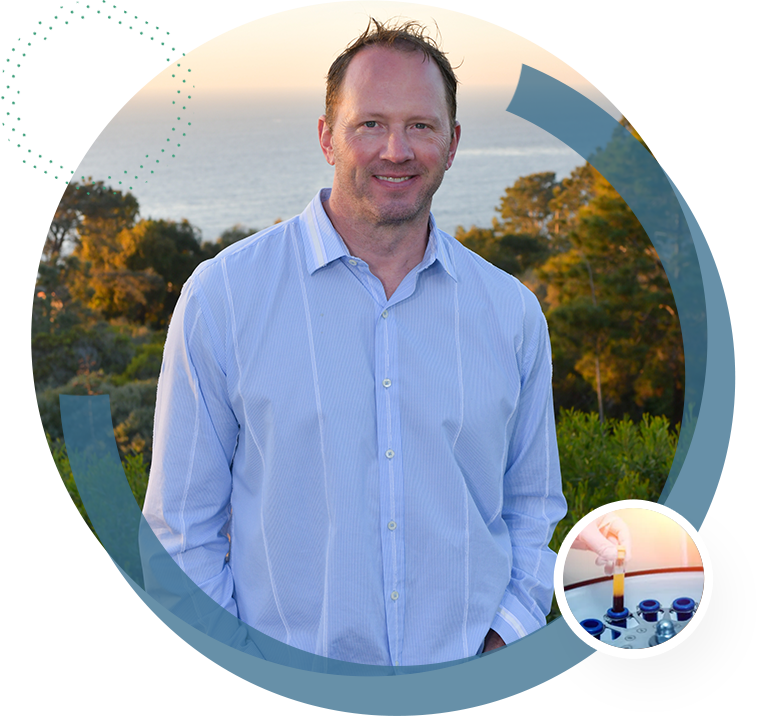
The Distinct Advantages of Selecting Dr. DuBois in Del Mar
Dr. Benjamin DuBois, MD, has specialized in shoulder care since 2004 at Grossmont Orthopaedic Medical Group. His credentials include:
- Undergraduate from Oregon State University (1994).
- MD with highest honors (top 5%) from USC Keck School of Medicine (1998), plus Alpha Omega Alpha induction.
- Orthopedic residency and advanced shoulder fellowship at University of Washington (2003).
- Board-certified by the American Board of Orthopaedic Surgery; Fellow of the American Academy of Orthopaedic Surgeons.
- Memberships: California Orthopaedic Association, San Diego County Medical Society.
- Over 5,000 shoulder surgeries; implant designer; national lecturer; co-founder of Las Vegas Regenerative Medicine and MSK Ultrasound Course, training thousands.
Our clinic emphasizes transparent, personalized strategies amid rising PRP interest.
Frequently Asked Questions on PRP Injections
PRP works by concentrating growth factors from your own blood platelets, which are injected into the injured shoulder area to promote tissue repair and regeneration. This process stimulates the body's natural healing mechanisms, reducing inflammation and encouraging the formation of new collagen and cells. Clinical evidence shows it outperforms placebos in providing long-term improvements in shoulder function and pain relief.
PRP is particularly effective for rotator cuff injuries, frozen shoulder (adhesive capsulitis), and osteoarthritis, where it can lead to notable reductions in pain and enhanced mobility over extended follow-ups. It also helps with tendonitis, bursitis, and partial tears by addressing inflammation and supporting tissue healing. For shoulder pathologies like subacromial impingement, results vary, and it's best used based on a clinician's assessment.
The injection itself involves minimal discomfort due to local anesthetic and ultrasound guidance, but some patients experience temporary soreness or stiffness at the site immediately after. This initial pain usually resolves within one to two weeks, and overall, PRP is considered low-pain compared to surgical alternatives. Any effects are managed with ice, rest, and over-the-counter relief as needed.
Most patients require 1-3 injections, spaced several weeks apart, with progress monitored through follow-up visits to adjust based on response. The number depends on the injury's severity—milder cases may need just one, while chronic issues benefit from multiple sessions. Dr. DuBois tailors the plan to ensure optimal healing without unnecessary treatments.
Improvements often begin within a few weeks as the growth factors start working, with peak benefits emerging over 1-3 months as tissues regenerate. Some notice reduced pain sooner, but full results can take up to 6 months for conditions like rotator cuff tears. Patience is key, as individual responses vary based on factors like age and overall health.
PRP is not ideal for individuals with certain blood disorders, active infections, or those on specific anticoagulants, so a thorough consultation is essential to determine eligibility. It's generally safe for most active adults, including athletes and seniors, but Dr. DuBois evaluates medical history and imaging to confirm it's appropriate. Alternatives may be recommended if contraindications exist.
As an autologous treatment using your own blood, PRP has a low risk of allergic reactions or major complications, but minor side effects like temporary swelling, pain, or bruising at the injection site can occur. Rarely, infection or increased stiffness might happen, though these are uncommon with proper sterile techniques. Dr. DuBois discusses all possibilities upfront to ensure informed decisions.
Coverage for PRP injections varies widely by insurance provider and policy, as it's often considered experimental for some shoulder conditions despite growing evidence of efficacy. Many plans do not cover it fully, leading to out-of-pocket costs, but our clinic can assist with verification and documentation. We recommend checking with your insurer directly, and financing options may be available for those without coverage.