Arthroscopic Rotator Cuff Repair in San Diego: Recovery, Benefits, and What to Expect
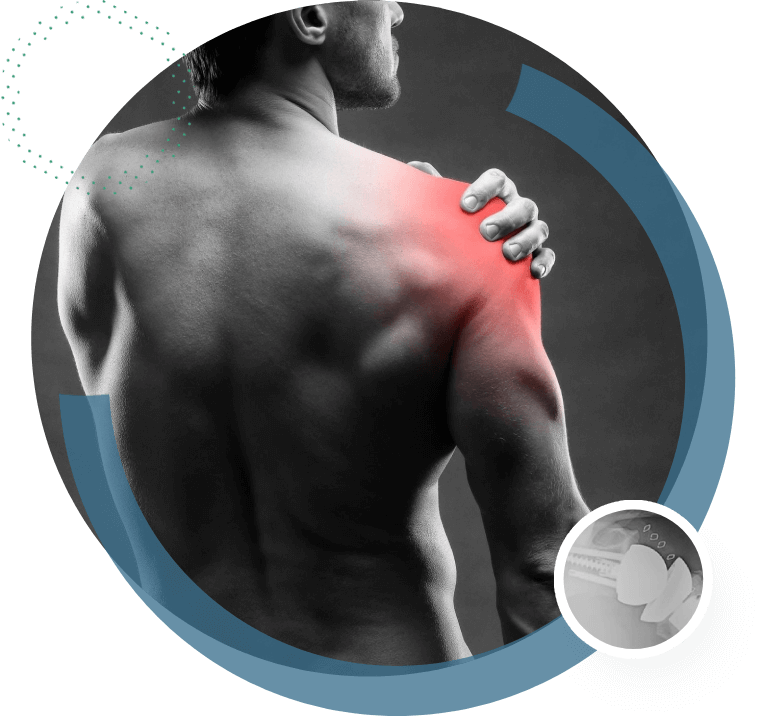
If you are struggling with persistent shoulder pain that interferes with sleep, limits your ability to lift your arm, or prevents you from enjoying everyday activities, you may be dealing with a rotator cuff tear. These injuries are common among active adults, aging patients, and individuals with repetitive overhead use.
In San Diego, Dr. Benjamin DuBois specializes in minimally invasive arthroscopic shoulder surgery designed to repair torn rotator cuff tendons while minimizing tissue disruption. Patients benefit from less postoperative pain, smaller incisions, and a carefully guided recovery plan tailored to their lifestyle and goals.
What Is Arthroscopic Rotator Cuff Repair?
Arthroscopic rotator cuff repair is a minimally invasive procedure specifically designed to reattach torn rotator cuff tendons to the upper arm bone (humerus).
During the procedure, small instruments and a camera are used to access the shoulder and secure the torn tendon back to its original attachment site. This technique allows the surgeon to restore shoulder strength and stability while preserving surrounding muscles, which is critical for proper healing and long-term function.
For patients with rotator cuff tears, arthroscopic repair allows for precise tendon placement, treatment of associated damage such as bone spurs or inflammation, and a structured recovery plan focused on tendon healing and shoulder mechanics.
Why Choose an Arthroscopic Approach?
For rotator cuff tears, an arthroscopic technique offers several advantages that directly impact tendon healing and recovery.
Reduced Stress on Shoulder Muscles
Smaller incisions mean less trauma to surrounding muscles and soft tissue. Patients typically experience reduced postoperative pain and begin rehabilitation sooner compared to traditional open surgery.
Greater Surgical Precision
Because the repair is performed through small incisions, the surrounding shoulder muscles remain largely intact. This helps protect the repair and supports smoother rehabilitation.
Improved Tendon Healing Environment
Arthroscopic repair allows the tendon to be secured back to the bone with minimal disruption, which is essential for proper biological healing during the early recovery phase.
Outpatient Procedure With Structured Recovery
Rotator cuff repair is typically performed on an outpatient basis, allowing patients to return home the same day and begin a guided rehabilitation plan focused on protecting the tendon as it heals.
Lower Risk of Postoperative Complications
Smaller incisions and reduced tissue trauma are associated with lower infection rates, less scarring, and improved cosmetic outcomes compared to traditional open repair techniques.
Who Is a Candidate for Rotator Cuff Repair Surgery?
You may be a good candidate for arthroscopic rotator cuff repair if you have:
- Persistent shoulder pain lasting longer than 3–6 months
- Weakness when lifting or rotating the arm
- Pain that disrupts sleep
- A confirmed rotator cuff tear on MRI or ultrasound
- Failed conservative treatments such as physical therapy or injections
Dr. DuBois performs a thorough evaluation to determine whether surgery is appropriate or if non-surgical care remains the best option. Contact us to schedule your evaluation!
Recovery Timeline: How Long Does It Take?
Fact-Based Recovery Overview:
Weeks 1–6: Protection Phase
- Sling use to protect the repair
- Passive range-of-motion exercises only
- Focus on healing and inflammation control
Months 2–3: Active Motion Phase
- Gradual return of shoulder movement
- Begin using the arm under your own power
- Continued physical therapy guidance
Months 4–6: Strengthening Phase
- Progressive strengthening exercises
- Focus on shoulder stability and endurance
- Preparation for work, sports, and daily activities
Most patients regain excellent shoulder function by six months, though full recovery may take up to one year depending on tear size and activity level.
What Happens If a Rotator Cuff Tear Is Left Untreated?
Ignoring a rotator cuff tear can lead to:
- Worsening pain and stiffness
- Progressive tendon retraction
- Muscle atrophy and weakness
- Reduced surgical success if delayed too long
Early evaluation by a shoulder specialist in San Diego helps preserve treatment options and long-term outcomes.
Frequently Asked Questions About Arthroscopic Rotator Cuff Repair
How do I know if my rotator cuff tear needs surgery?
Not all rotator cuff tears require surgery. Small or partial tears often improve with physical therapy, activity modification, and injections. Surgery may be recommended if pain persists for several months, strength continues to decline, or imaging shows a full-thickness tear that is unlikely to heal on its own. A shoulder specialist like Dr. Benjamin DuBois can determine whether surgery is the best option based on your symptoms, activity level, and imaging results.
How long will I need to wear a sling after rotator cuff repair?
Most patients wear a sling for approximately 4 to 6 weeks after arthroscopic rotator cuff repair. The sling protects the repair while the tendon heals back to the bone. Your surgeon will gradually guide you out of the sling as healing progresses and physical therapy advances.
When can I return to work after rotator cuff surgery?
Return-to-work timing depends on the type of job you have.
- Desk or sedentary work: often within 2–4 weeks
- Light duty or modified work: around 6–8 weeks
- Heavy lifting or overhead labor: typically 4–6 months
Your recovery plan will be individualized based on your tear size and job demands.
Will my shoulder regain full strength after surgery?
Most patients regain excellent strength and function after arthroscopic rotator cuff repair, especially when they follow their physical therapy program closely. Full strength recovery can take 6 to 12 months, and outcomes are best when surgery is performed before the tendon becomes severely retracted or weakened.
Is arthroscopic rotator cuff repair permanent?
In many cases, yes. When the tendon heals properly and patients follow postoperative restrictions and therapy, results are long-lasting. However, factors such as age, tear size, tissue quality, and activity level can influence long-term durability.
Does rotator cuff surgery prevent future shoulder arthritis?
Repairing a rotator cuff tear can help restore normal shoulder mechanics and may reduce the risk of progressive joint damage. While it does not guarantee prevention of arthritis, timely repair can protect the shoulder from further degeneration caused by untreated tendon tears.
How painful is recovery after arthroscopic rotator cuff repair?
Pain levels vary, but most patients report less pain than expected due to minimally invasive techniques. Discomfort is typically greatest during the first 1–2 weeks and improves steadily with medication, ice therapy, and guided rehabilitation.
What happens if I delay rotator cuff surgery too long?
Delaying surgery can allow the tendon to retract and the muscle to weaken or atrophy. Over time, some rotator cuff tears become irreparable, meaning surgery may no longer be an option. Early evaluation helps preserve the widest range of treatment choices.
Rotator Cuff Repair in San Diego
Located near Grossmont Center Drive, Dr. DuBois serves patients throughout San Diego County, including El Cajon, Santee, La Mesa, and surrounding communities. His practice combines surgical expertise with personalized care to help patients return to active, pain-free living. Contact us at (619) 462-3131 or complete our contact form to schedule a consultation!