Anatomic Total Shoulder Replacement in San Diego: Restoring Natural Shoulder Function
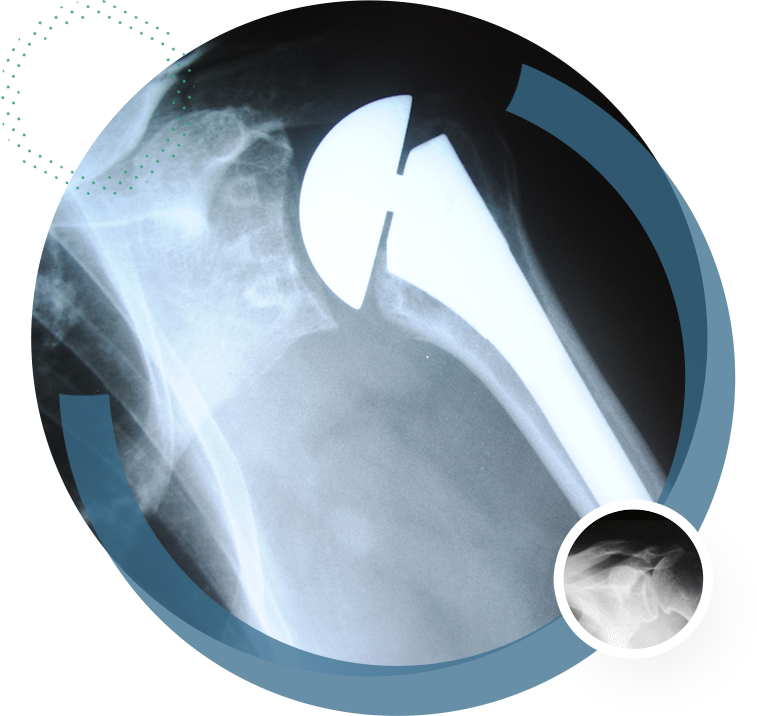
Chronic shoulder pain can significantly affect a person’s quality of life, limiting everyday activities such as lifting, reaching, sleeping, and exercising. For patients throughout San Diego and Southern California, shoulder arthritis is a common cause of persistent pain and stiffness. When conservative treatments no longer provide relief, anatomic total shoulder replacement may offer a highly effective, long-term solution.
Dr. Ben DuBois is a fellowship-trained orthopedic surgeon who specializes exclusively in shoulder conditions. At his San Diego–based practice, Dr. DuBois performs anatomic total shoulder replacement for patients with advanced shoulder arthritis and other joint-related disorders, with the goal of restoring comfort, strength, and natural shoulder motion.
What Is Anatomic Total Shoulder Replacement?
Anatomic total shoulder replacement is a surgical procedure designed to recreate the shoulder’s normal anatomy. The shoulder is a ball-and-socket joint, and this procedure replaces both damaged joint surfaces with prosthetic components that closely mimic the body’s original structure.
The procedure involves:
- Replacing the damaged humeral head (ball) with a metal implant
- Replacing the worn socket (glenoid) with a durable plastic component
Because the implant configuration mirrors the natural anatomy of the shoulder, anatomic total shoulder replacement relies on healthy rotator cuff tendons to stabilize the joint and allow smooth, coordinated movement.
Conditions Treated With Anatomic Total Shoulder Replacement
Dr. DuBois commonly recommends anatomic total shoulder replacement for patients whose shoulder pain is caused by joint degeneration rather than tendon failure. Conditions that may benefit from this procedure include:
Shoulder Osteoarthritis
The most common indication, shoulder osteoarthritis occurs when cartilage wears away over time, leading to pain, stiffness, and reduced range of motion.
Post-Traumatic Arthritis
Prior shoulder fractures or traumatic injuries may lead to abnormal joint wear and arthritis years later.
Inflammatory Arthritis
Autoimmune conditions such as rheumatoid arthritis can damage joint cartilage while preserving rotator cuff integrity.
Avascular Necrosis
Loss of blood supply to the humeral head can result in bone collapse and severe shoulder pain.
Who Is a Good Candidate?
Anatomic total shoulder replacement is not appropriate for every patient with shoulder pain. Dr. DuBois carefully evaluates each individual at his San Diego shoulder surgery practice to determine whether this procedure is the best option.
Patients may be good candidates if they:
- Have persistent shoulder pain that interferes with daily life
- Experience pain at rest or during sleep
- Have not improved with physical therapy, injections, or medications
- Have intact or repairable rotator cuff tendons
- Desire long-term pain relief and improved shoulder function
Evaluation typically includes a physical exam, advanced imaging such as X-rays or CT scans, and a detailed discussion of treatment goals.
Anatomic vs. Reverse Shoulder Replacement
Patients often ask about the difference between anatomic total shoulder replacement and reverse shoulder replacement. Understanding this distinction is essential when selecting the most appropriate surgical approach.
Anatomic total shoulder replacement is designed to closely replicate the shoulder’s natural anatomy. The artificial ball is placed on the upper arm bone, while the socket component is positioned on the shoulder blade. This design relies on functional rotator cuff tendons to stabilize the joint and generate movement, often resulting in smoother, more natural shoulder motion.
Reverse shoulder replacement uses a different design, intentionally reversing the ball-and-socket orientation. This allows the deltoid muscle to compensate for a damaged or nonfunctional rotator cuff. Reverse shoulder replacement is typically recommended for patients with severe rotator cuff tears or complex shoulder conditions.
According to Dr. DuBois, selecting between these procedures depends on rotator cuff integrity, bone quality, prior surgeries, and a patient’s functional goals. For patients with preserved rotator cuff function, anatomic total shoulder replacement is often preferred.
The Surgical Procedure
Anatomic total shoulder replacement is performed under general anesthesia and typically takes one-and-a-half to two hours. During surgery, damaged cartilage and bone are removed, the joint surfaces are carefully prepared, and prosthetic components are implanted with precise alignment.
Attention to implant positioning and soft-tissue balance is critical for long-term success. Modern techniques allow for excellent durability and predictable outcomes when the procedure is performed by a shoulder specialist.
Recovery and Rehabilitation
Most patients return home the same day. Early recovery includes sling use and gentle motion exercises. Over time, physical therapy focuses on restoring range of motion, strength, and function.
Many patients in the San Diego area experience significant pain relief within the first few months, with continued improvements for up to a year after surgery.
Expected Outcomes
Clinical studies consistently show that anatomic total shoulder replacement provides:
- Reliable and lasting pain relief
- Improved shoulder strength and motion
- High patient satisfaction
- Implant longevity of 15–20 years or more
Final Thoughts
For patients in San Diego and Southern California with advanced shoulder arthritis and intact rotator cuff function, anatomic total shoulder replacement offers an effective path toward restored comfort and mobility. Evaluation by a surgeon who specializes exclusively in shoulder care is essential for achieving the best outcome.