Enhancing Recovery: PRP Therapy for Post-Surgical Rotator Cuff Repair in San Diego
As a leading orthopedic shoulder surgeon in San Diego, Dr. Benjamin DuBois at Grossmont Orthopaedic Medical Group is dedicated to advancing patient outcomes through innovative, evidence-based treatments. With over 20 years of experience and more than 5,000 shoulder surgeries performed, Dr. DuBois is board-certified and fellowship-trained in shoulder surgery from the University of Washington. Recognized by Newsweek as one of America’s Leading Doctors 2025 in shoulder surgery and ranked among the top 10 nationwide, he specializes exclusively in shoulder conditions, including rotator cuff repairs, labral repairs, shoulder arthritis, frozen shoulder, and orthobiologics like platelet-rich plasma (PRP). His practice at 5565 Grossmont Center Drive, Building #3, Suite #256, La Mesa, CA 91942, focuses on minimally invasive approaches to help patients achieve optimal recovery and return to active lifestyles.
Among his top procedures—total shoulder replacement, rotator cuff surgery, PRP treatments, and Class IV laser therapy—PRP stands out as a powerful adjunct for enhancing healing after rotator cuff repair. For patients who’ve undergone surgery for rotator cuff tears, PRP therapy offers a regenerative boost that can reduce pain, lower retear risks, and accelerate rehabilitation. This non-surgical enhancement harnesses your body’s natural healing mechanisms, making it an ideal option for San Diego residents dealing with post-operative challenges from sports injuries, repetitive strain, or age-related wear. In this comprehensive guide, we’ll delve into how PRP supports post-surgical rotator cuff repair, its benefits, the supporting science, and why it’s a game-changer in shoulder care.
What Is PRP Therapy?
Platelet-rich plasma (PRP) therapy is a regenerative treatment that uses a concentrated form of your own blood to promote healing. Blood is drawn from your arm, processed in a centrifuge to isolate platelets—rich in growth factors like PDGF, TGF-β, and VEGF—and then injected into the targeted area. These growth factors stimulate cell repair, reduce inflammation, and enhance tissue regeneration.
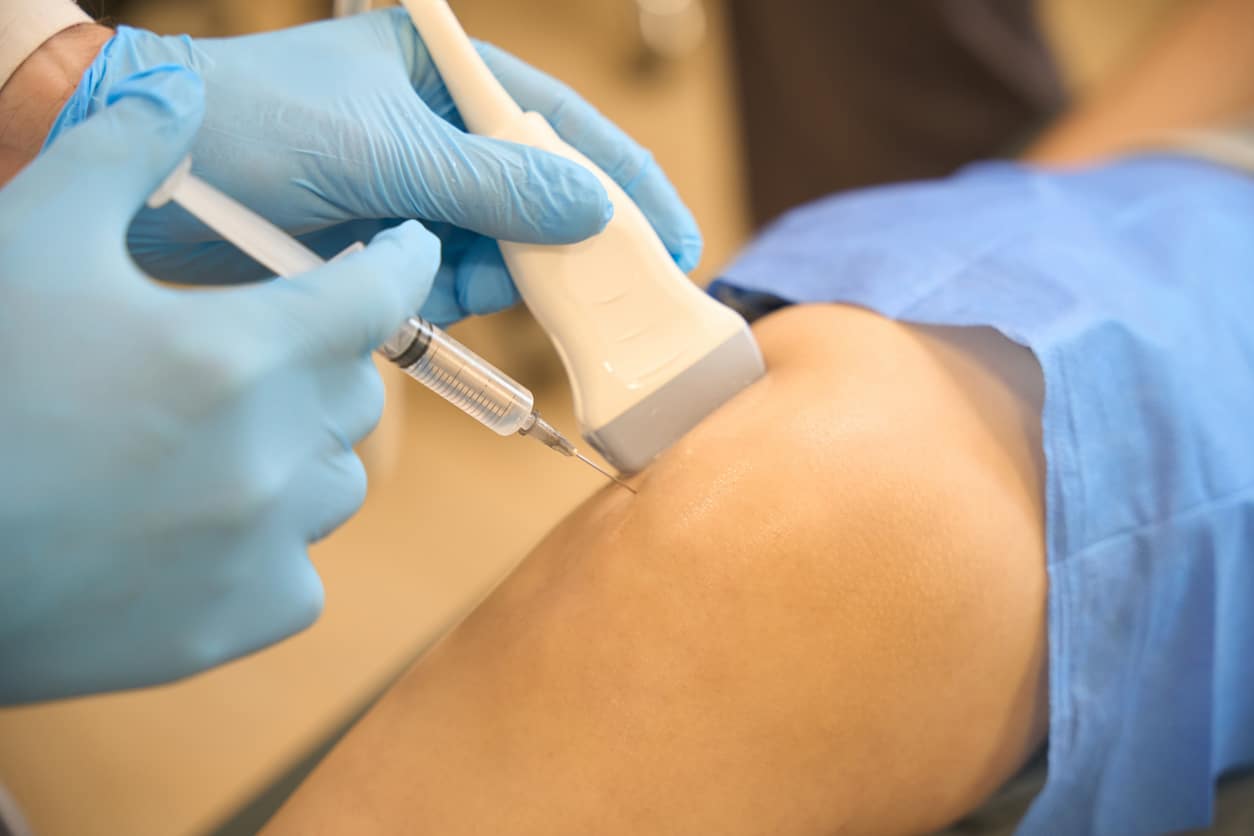
PRP has been utilized in orthopedics for over two decades. Unlike traditional injections such as corticosteroids, which may weaken tendons over time, PRP strengthens tissues naturally without synthetic additives. At our San Diego clinic, Dr. DuBois employs ultrasound-guided PRP injections for precision, ensuring the concentrate reaches the rotator cuff tendons and bone interface post-surgery.
The Role of PRP in Post-Surgical Rotator Cuff Repair
Rotator cuff tears often require arthroscopic surgery to reattach torn tendons to the humerus bone. While surgery restores structural integrity, healing can be slow due to poor blood supply in tendons, leading to risks like retears (affecting 10-40% of cases) and prolonged pain. PRP serves as an adjunct therapy applied during or after surgery to optimize recovery.
In post-surgical scenarios, PRP is typically injected 1-6 weeks after repair, once initial healing begins, to avoid disrupting sutures. It addresses common issues like inflammation at the tendon-bone junction, incomplete healing, and scar tissue formation. For San Diego patients—many of whom are active in surfing, golfing, or hiking—PRP can mean a faster return to these pursuits by bolstering the surgical site’s durability.
How Does PRP Work After Rotator Cuff Surgery?
- Promote Tendon-Bone Integration: Enhance collagen production and fibroblast activity to strengthen the repair site.
- Reduce Inflammation: Modulate cytokines to decrease swelling and pain without steroids.
- Improve Vascularization: Stimulate new blood vessel formation for better nutrient delivery.
- Minimize Scar Tissue: Encourage organized tissue remodeling for improved flexibility.
Treatments are outpatient, with ultrasound ensuring accurate delivery to the rotator cuff. Sessions last 30-45 minutes, and a series of 1-3 injections may be recommended based on healing progress.
Benefits of PRP for Post-Surgical Rotator Cuff Repair
Incorporating PRP after rotator cuff surgery offers targeted advantages, particularly for those with larger tears or risk factors like diabetes or smoking. Key benefits include:
- Reduced Retear Risk: Studies show PRP can lower retear rates by up to 50%, especially for medium-to-large tears.
- Faster Pain Relief: Significant decreases in postoperative pain, allowing earlier rehab and reduced opioid use.
- Enhanced Functional Recovery: Improved shoulder strength, range of motion, and daily function scores, helping patients resume work or sports sooner.
- Natural and Safe: Autologous nature minimizes allergy risks; side effects are mild, like temporary soreness.
- Complementary to Other Therapies: Pairs well with physical therapy or Class IV laser for comprehensive healing.
For San Diego athletes or professionals, this means less downtime and sustained performance, addressing the high demands of an active coastal lifestyle.
The Scientific Evidence Supporting PRP in Post-Surgical Rotator Cuff Repair
A growing body of research validates PRP’s role as an adjunct to rotator cuff surgery. A systematic review and meta-analysis of 25 trials found PRP significantly reduced retear rates (risk ratio 0.78) while improving clinical scores like Constant-Murley and UCLA, though some improvements were below clinical thresholds. Another meta-analysis of 22 studies reported PRP lowered pain (VAS) at 6 and 12 months and retears at 24 months, with enhanced UCLA scores short-term.
In a review of 14 RCTs, PRP decreased long-term retear rates (RR 0.38), particularly with leukocyte-poor formulations and for large-massive tears, alongside better pain and function scores. Expert analyses note PRP’s cytokines promote tendon healing by resolving inflammation and improving macrophage activity, reducing failure risks by 50% in some cases, though standardization is needed. While results vary by PRP type and patient factors, evidence supports its use for complex repairs or poor tissue quality.
Dr. DuBois, who has taught ultrasound techniques to thousands at national conferences, integrates this research into personalized protocols, ensuring evidence-driven care.
What to Expect During PRP Treatment After Surgery
- Blood is drawn and centrifuged on-site to prepare the concentrate.
- The shoulder is numbed, and PRP is injected under ultrasound guidance.
- Rest for 24-48 hours post-injection; mild swelling may occur.
- Follow-up rehab incorporates physical therapy to maximize gains.
Improvements often begin within 2-4 weeks, with full benefits in 3-6 months. Dr. DuBois monitors progress closely, adjusting for optimal results.
Who Can Benefit from PRP After Rotator Cuff Repair?
This therapy is ideal for post-surgical patients with:
- Medium-to-large tears or retear risks.
- Persistent pain or slow healing.
- Active lifestyles needing accelerated recovery.
- Conditions like tendinopathy or partial retears.
It’s not suitable for active infections or certain blood disorders; Dr. DuBois conducts thorough assessments to ensure safety.
Why Choose Dr. DuBois for PRP in Post-Surgical Rotator Cuff Care in San Diego?
Dr. DuBois’s exclusive focus on shoulders, combined with his innovative designs and orthobiologic expertise, positions him as a trusted leader. By offering PRP alongside rotator cuff surgery, he provides holistic, minimally invasive solutions that prioritize long-term success.
If you’re recovering from rotator cuff repair and seeking enhanced healing, contact us at (619) 462-3131 or complete our contact form to schedule a consultation. Discover how PRP can transform your recovery—regain strength and mobility today.