Should You Ice or Heat an Injured Joint? A San Diego Orthopedic Specialist Explains

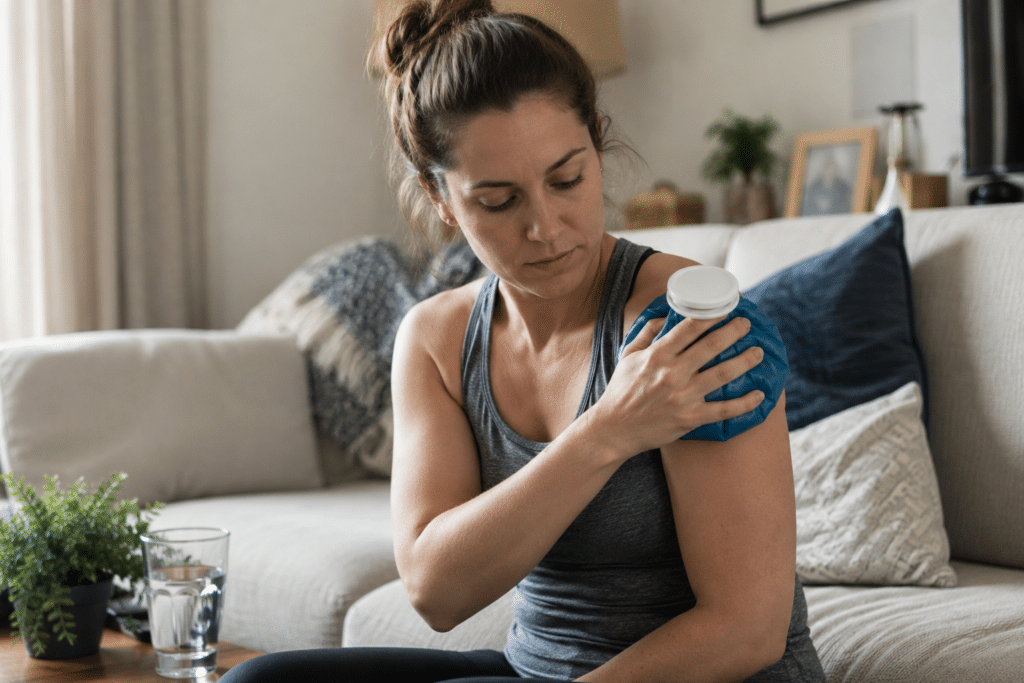
Quick Summary: Ice or Heat for Joint Pain?
Use ice for: Fresh injuries that are less than 48 hours old, sudden swelling, acute rotator cuff strains, or post-workout joint inflammation. Cold narrows blood vessels to reduce swelling and numb sharp pain.
Use heat for: Chronic joint stiffness, osteoarthritis, tight muscles, or pre-activity warming. Heat expands blood vessels to increase circulation and relax tight tissues.
The golden rule: Never apply ice or heat for longer than 15 to 20 minutes per session.
Whether you strained a shoulder surfing in Encinitas, pulled a muscle during a workout, or woke up with a deep, persistent ache in your shoulder joint here in San Diego, reaching for quick relief is second nature. However, standing in front of the freezer with an ice pack in one hand and a heating pad in the other leaves many patients asking: Should I use ice or heat for my joint pain?
Using the wrong temperature therapy at the wrong stage of an injury can accidentally increase swelling or delay your recovery. Below, board-certified orthopedic specialist Dr. Ben DuBois breaks down the medical physiology behind cold and heat therapy, when to use each, and safety rules to protect your joints.
The Medical Science of Ice: Calming Acute Inflammation
When a joint or soft tissue injury occurs, such as an acute rotator cuff tear, a sprain, or a shoulder bursitis flare-up, your body’s defense system sends a sudden rush of fluid and white blood cells to the area. While this biological response is designed to initiate healing, excessive fluid creates painful pressure within the joint capsule.
How Cold Therapy Works in the Body
- Vasoconstriction: Cold temperatures cause local blood vessels to contract. This restricts excess blood flow to the injured site, significantly minimizing swelling, bruising, and fluid accumulation.
- Nerve velocity reduction: Cold slows down the transmission of pain signals along your nerves, acting as a natural, non-pharmacological anesthetic.
When Dr. DuBois recommends ice: Acute injuries occurring within the last 48 hours, sharp joint pain, post-physical therapy soreness, and active inflammatory conditions such as acute shoulder tendonitis.
The Medical Science of Heat: Relaxing Stiffness and Boosting Circulation
While cold therapy restricts blood flow to control swelling, thermotherapy, or heat therapy, does the opposite. Heat is designed to stimulate circulation and restore mobility to tight, guarded tissues surrounding a joint.
How Heat Therapy Works in the Body
- Vasodilation: Heat expands blood vessels, increasing oxygenated blood and nutrient delivery to tissues while helping flush out metabolic waste.
- Tissue elasticity and muscle relaxation: Warmth relaxes surrounding muscle spasms, reduces joint stiffness, and temporarily increases the flexibility of collagen fibers in tendons and ligaments.
When Dr. DuBois recommends heat: Chronic joint aches, lingering shoulder stiffness such as shoulder osteoarthritis, recurring neck or shoulder muscle tightness, or as a gentle pre-exercise warm-up.
Ice vs. Heat Quick Reference Guide
Use this medical comparison table to quickly decide which home treatment may be appropriate for your joint condition.
| Injury or Symptom Type | Recommended Therapy | Clinical Objective |
|---|---|---|
| Fresh joint injury or sprain, less than 48 hours old | Ice | Restricts fluid buildup and calms acute pain. |
| Chronic joint stiffness, such as shoulder arthritis | Heat | Relaxes surrounding muscle tension and improves mobility. |
| Acute shoulder bursitis or tendonitis | Ice | Calms active inflammation within the subacromial space. |
| Muscle spasms and tightness | Heat | Increases regional blood flow to relax tight tissue fibers. |
| Post-workout or physical therapy soreness | Ice | Minimizes micro-inflammation caused by stretching or lifting. |
Dr. DuBois’ Clinical Safety Protocol for Ice and Heat
Over years of orthopedic practice and treating active patients across Southern California, Dr. Ben DuBois emphasizes that how you apply thermal therapy is just as important as which one you choose.
Adhere to the 20-Minute Cap
Limit ice or heat applications to 15 to 20 minutes per session, waiting at least one hour between applications. Prolonged icing can trigger reactive vasodilation, where the body forcefully pumps blood back to the area to warm it, potentially increasing swelling. Overusing heat can also aggravate hidden inflammation.
Always Use a Skin Barrier
Never place ice packs or heating elements directly onto bare skin. Wrap cold gel packs or heating pads in a thin towel to help prevent frostbite, skin damage, or thermal burns.
Avoid Heat on Fresh Swelling or Open Wounds
Applying heat to a brand-new, visibly swollen injury forces more blood into the area, which may worsen tissue congestion and pain.
When Home Care Is Not Enough: Red Flag Symptoms
While ice and heat are excellent first-line conservative treatments for minor aches, they are not a substitute for a comprehensive orthopedic evaluation when structural damage is present.
Schedule a medical consultation if you experience any of the following symptoms:
- Severe shoulder or joint pain that disrupts your sleep or wakes you at night
- Inability to raise your arm, carry everyday objects, or move the joint
- Radiating numbness, tingling, or weakness traveling down your arm or into your hand
- Swelling, severe weakness, or catching or locking sensations that persist beyond three to five days
While many shoulder injuries improve with conservative care, persistent pain may require additional treatment. Depending on your diagnosis, advanced options such as ultrasound-guided Platelet-Rich Plasma (PRP) injections may be appropriate for certain shoulder conditions. Learn more about PRP injections for shoulder pain.
Get Expert Shoulder Care in San Diego
If conservative home measures such as ice and heat are no longer providing the relief you need, let a specialist help you identify the root cause of your pain.
As a recognized leader in orthopedic care, Dr. Ben DuBois, MD specializes in advanced diagnostic techniques, non-surgical joint preservation, orthobiologics, and precise surgical solutions for patients throughout San Diego County, including Mission Valley, La Jolla, Del Mar, and Carlsbad.